Your HVAC system is the most expensive appliance in your home, and it runs almost year-round in New York. A little routine attention can extend its life by years and prevent the kind of emergency breakdowns that always seem to happen on the coldest night of January.
1. Change Your Air Filter on Schedule
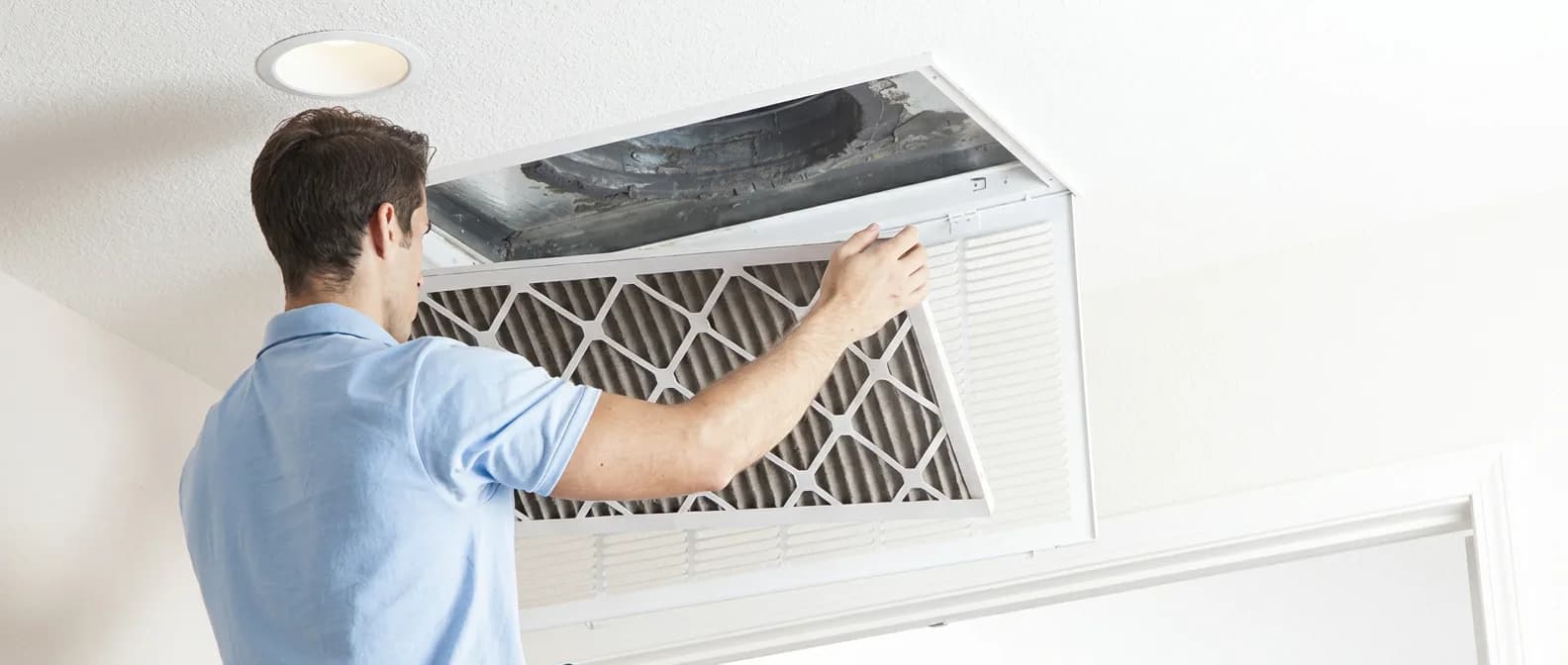
A clogged filter forces your blower motor to work harder, raises your energy bills, and can freeze your evaporator coil in summer. Standard 1-inch filters should be replaced every 30–60 days. If you use a 4- or 5-inch media filter, every 6–12 months is typical. Hold the old filter up to a light — if you can't see through it, it's overdue.
2. Keep the Outdoor Unit Clear
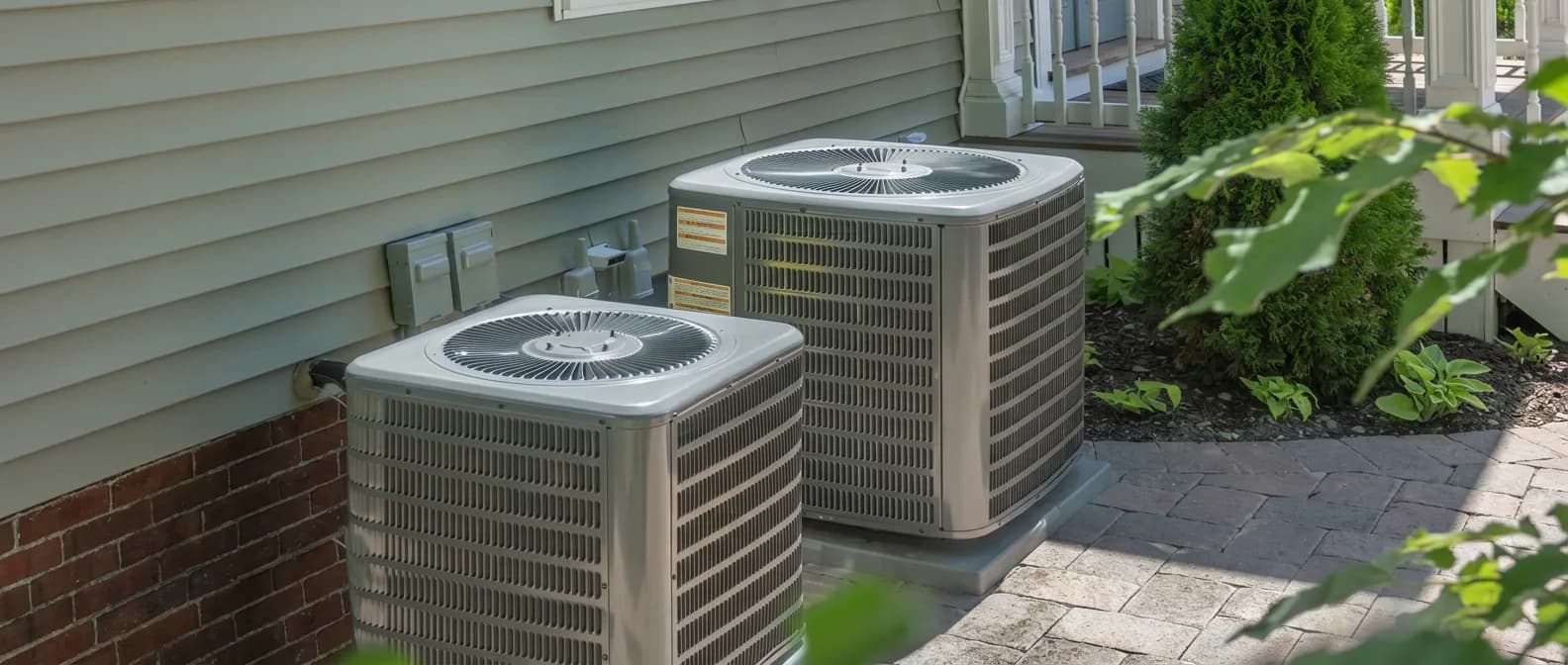
Your condenser needs open airflow to reject heat. Trim shrubs, grass, and debris back at least 24 inches on all sides. In fall, clear leaves from the top grille. Never stack anything against the unit or let a deck enclose it without proper clearance — restricted airflow raises head pressure and shortens compressor life.
3. Inspect Your Condensate Drain
Every air conditioner and high-efficiency furnace produces condensation that drains through a PVC line. Algae and sludge can clog that line, causing water to back up into the drain pan — or worse, onto your ceiling. Pour a cup of plain white vinegar into the drain line every few months to keep it clear.
If your drain pan is already overflowing or you see water stains on your ceiling, don't wait — our technicians can clear the line and inspect for damage. Get in touch
4. Listen for Unusual Sounds
A healthy system hums. Banging may indicate a broken blower wheel or loose ductwork. Screeching often points to a failing belt or motor bearing. Clicking at the outdoor unit can mean a failing contactor. Short cycling — the system turning on and off every few minutes — usually signals a refrigerant issue or an oversized unit. Any of these warrant a service call before a minor issue becomes a major repair.
5. Check Your Thermostat Settings
Make sure your thermostat is set to "Auto" for the fan, not "On." In "On" mode the blower runs continuously, which costs more and can make your home feel clammy in summer because it blows moisture back off the evaporator coil. If your thermostat uses batteries, replace them annually — a dead thermostat means no heat or cooling.
6. Don't Skip Seasonal Tune-Ups
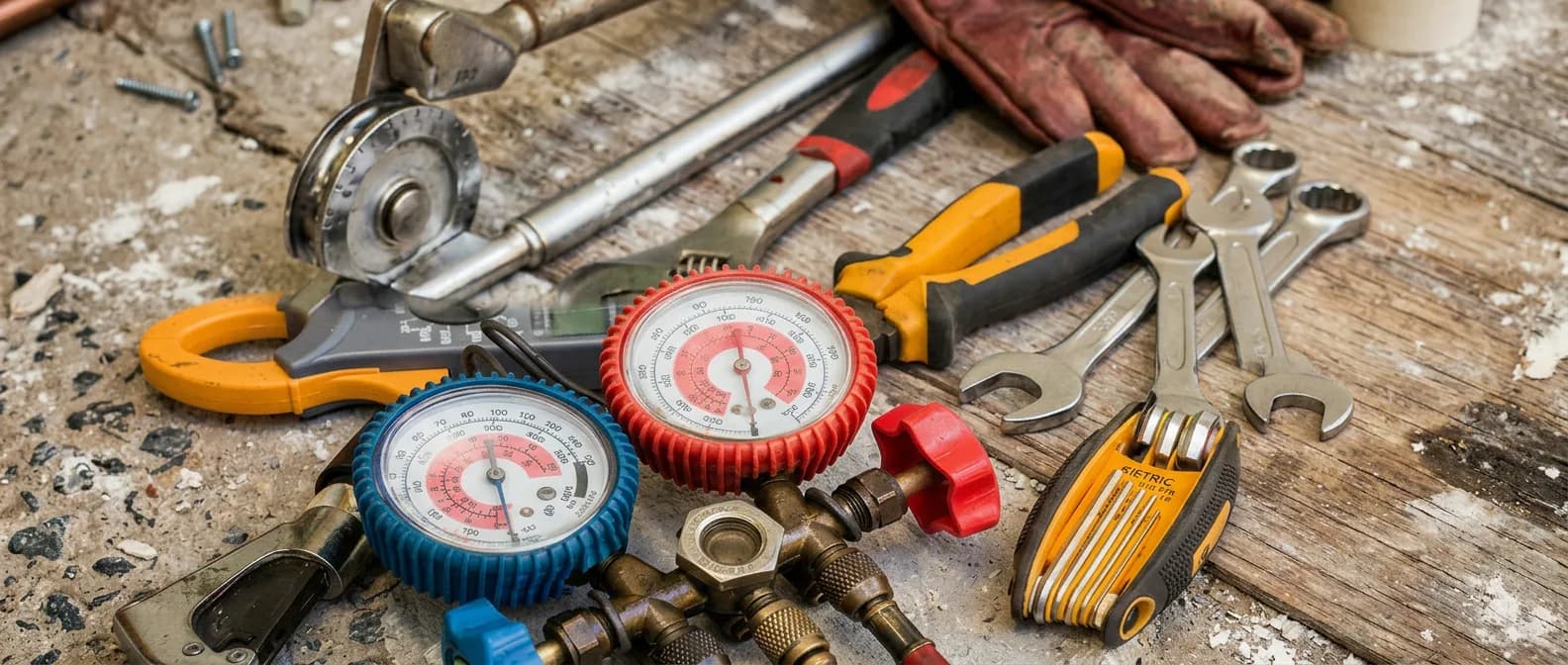
A professional tune-up catches small problems — a weak capacitor, low refrigerant charge, a cracked heat exchanger — before they cause a breakdown. In NYC, we recommend a cooling tune-up in spring and a heating tune-up in fall. A technician will clean the coils, check electrical connections, measure airflow, and verify safe combustion if you have a gas furnace or boiler.
We offer seasonal maintenance contracts that include priority scheduling, discounted repairs, and twice-yearly inspections — so nothing gets missed.
Learn About Maintenance Plans7. Seal and Insulate Your Ductwork
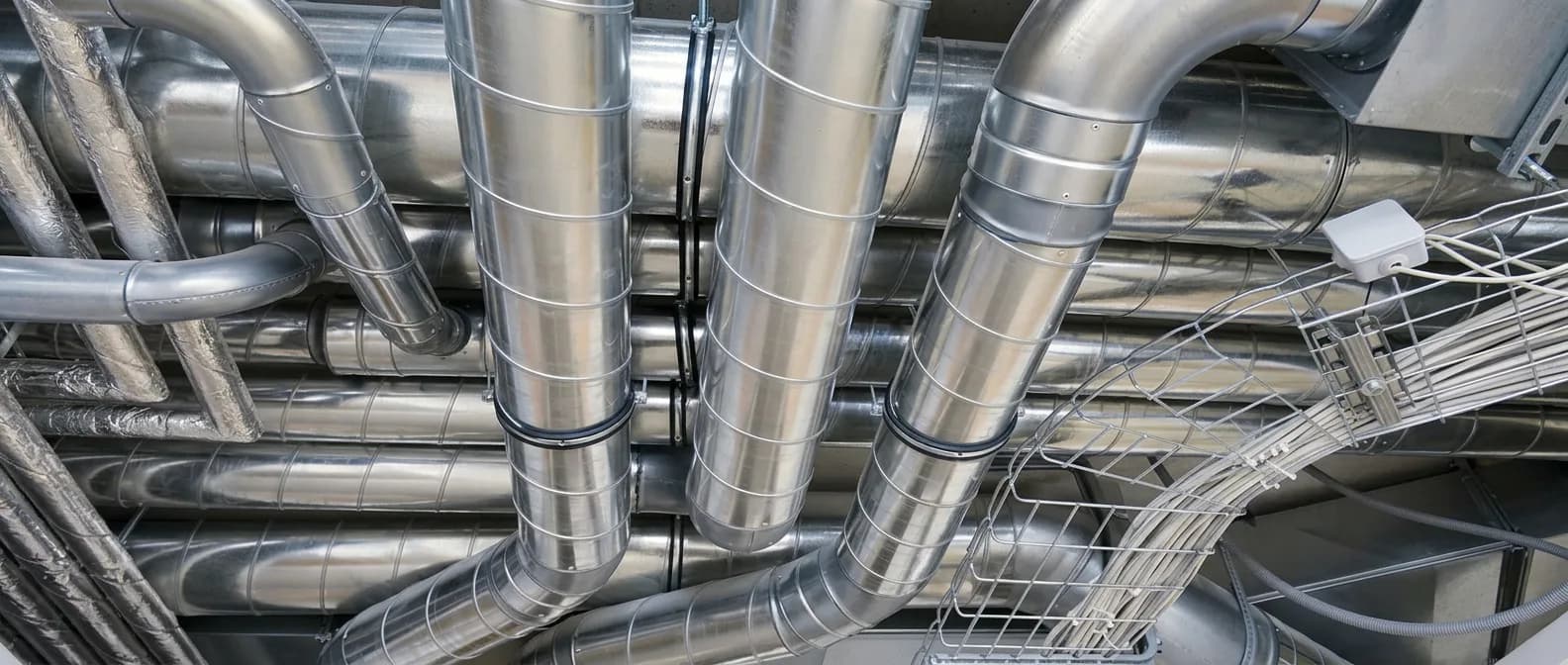
The average duct system loses 20–30% of conditioned air through leaks and poor insulation, according to the U.S. Department of Energy. That's like paying for heating or cooling you never feel. Leaky ducts in unconditioned spaces — attics, crawlspaces, between floors — are the biggest offenders. Professional duct sealing with mastic or Aeroseal can dramatically improve comfort and efficiency.
Quick rule of thumb: if some rooms in your home are always too hot or too cold while others are comfortable, leaky or poorly designed ductwork is the most common cause.
Taking these steps consistently won't just prevent surprise breakdowns — it can cut your energy bills by 15–25% and add years to your equipment's lifespan. The best time to start is right now.
Want a professional to evaluate your system? Request a service visit and we'll give your HVAC a full health check. Get in touch