If you've ever felt weak airflow from your vents, heard your system straining, or noticed some rooms that are always too warm or too cold, the problem might not be your equipment at all — it might be static pressure.
Static Pressure, Explained Simply
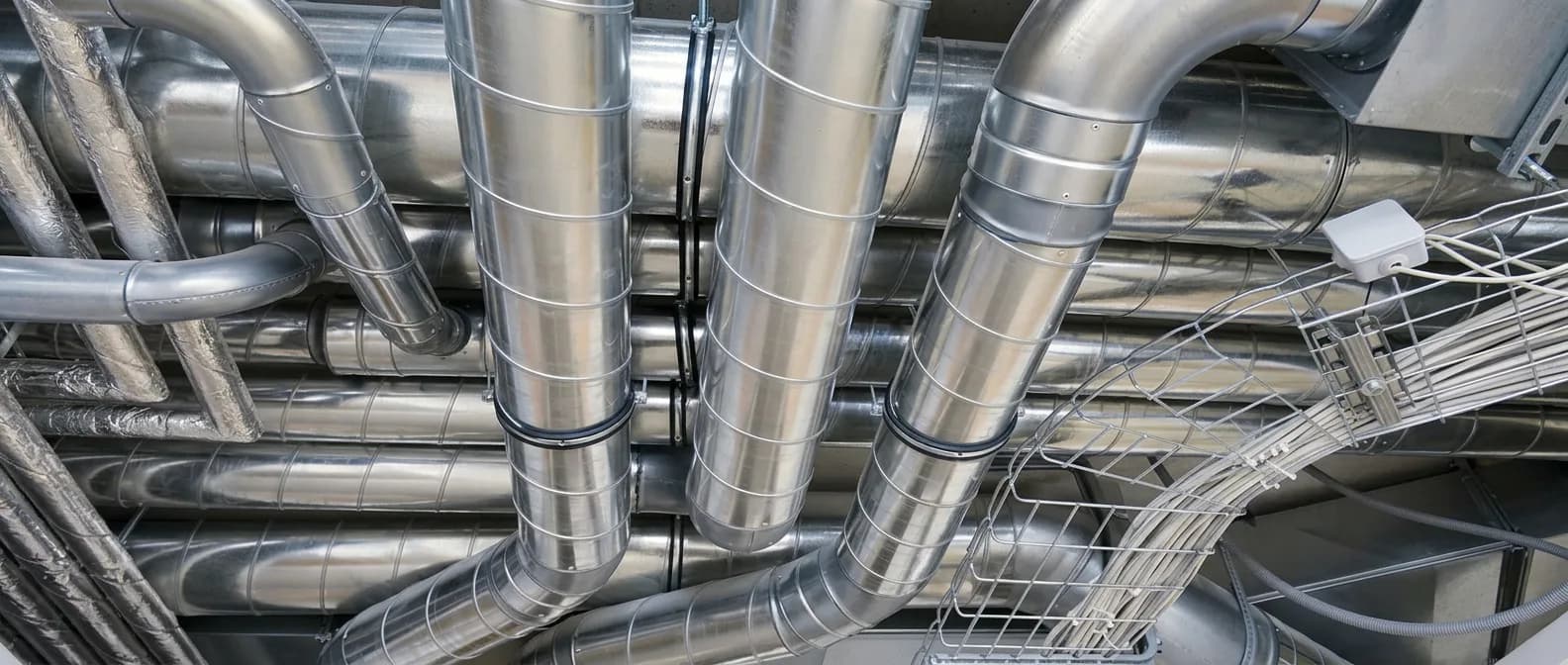
Think of your ductwork as a highway and the air as traffic. Static pressure is how crowded that highway is. It's measured in inches of water column (iwc) using a tool called a manometer. When everything is sized correctly, air flows freely and your system operates at its rated capacity. When static pressure is too high, your system is fighting the ductwork to move air — like trying to breathe through a coffee straw.
Most residential systems are designed to operate between 0.50 and 0.80 iwc of total external static pressure. Anything above that means your system is working harder than it should.
What Causes High Static Pressure?
- Undersized ductwork — the most common culprit, especially in older NYC buildings where ductwork was added as an afterthought
- Dirty or clogged air filters — a MERV-13 filter in a system designed for MERV-8 can restrict airflow significantly
- Too many bends and transitions — every 90-degree elbow adds friction, equivalent to roughly 10 feet of straight duct
- Closed or blocked registers — shutting vents in unused rooms actually increases pressure on the rest of the system
- Oversized equipment — a unit that's too powerful for the ductwork will push more air than the ducts can handle
Why It Matters for Your Comfort and Wallet
High static pressure creates a chain reaction of problems. Your blower motor draws more electricity, your coil can't transfer heat efficiently, your compressor runs hotter, and your system short-cycles. The result: higher energy bills, uneven temperatures, more frequent breakdowns, and a significantly shorter equipment lifespan.
In many cases, homeowners replace a system that "died too young" without realizing the real problem was ductwork that was never right in the first place. The new system inherits the same airflow problems and the cycle repeats.
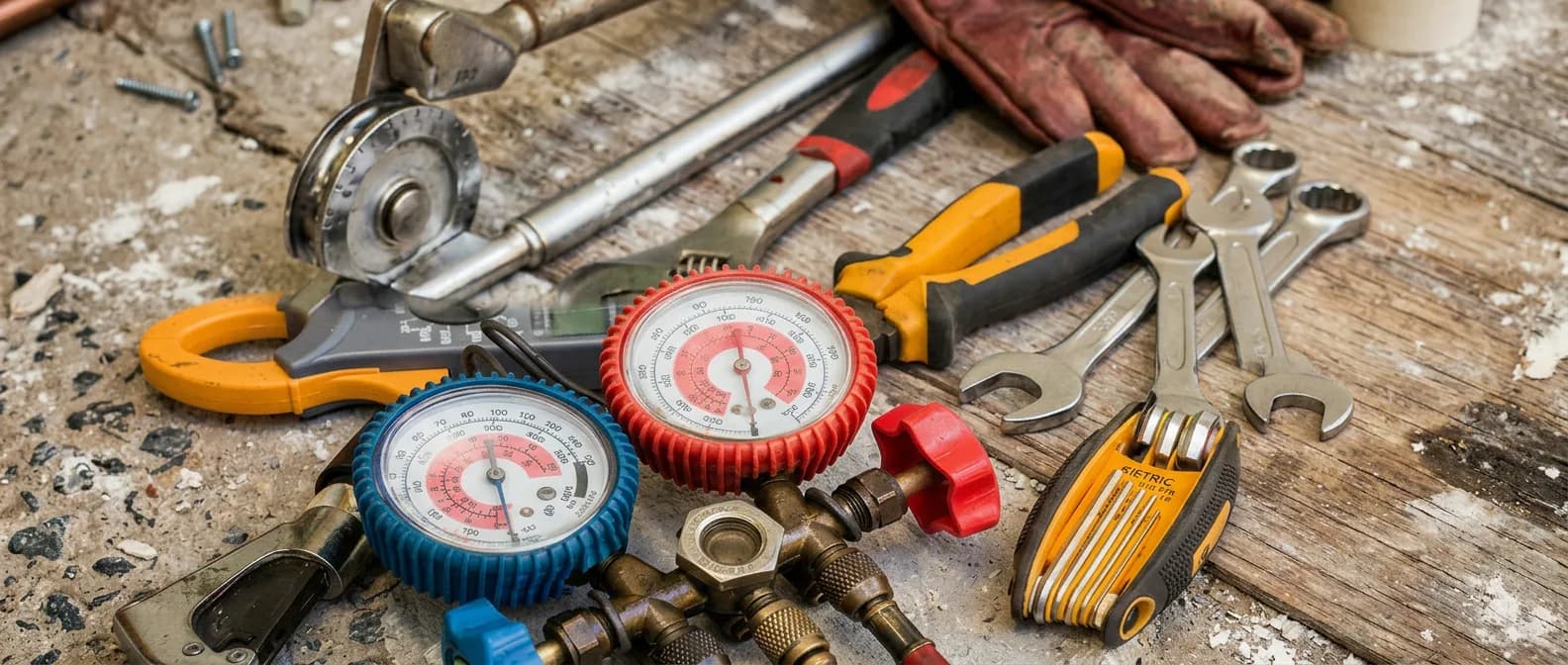
Static pressure testing requires a manometer and trained hands. We include it in every system evaluation — request a diagnostic if your system feels off. Get in touch
How We Measure and Fix It
During a load calculation or system diagnostic, our technicians take static pressure readings at the supply and return plenums. We compare those readings against the equipment manufacturer's rated external static pressure. If the numbers are too high, we trace the cause — it might be as simple as upsizing a filter grille, or it might require modifying ductwork runs.
- Manual D duct design ensures ducts are sized for the actual airflow your system needs
- Modifying trunk lines or adding return drops can dramatically lower pressure
- Replacing a restrictive filter rack with a properly sized media cabinet often solves chronic problems
- Balancing dampers allow fine-tuning airflow to each room after the pressure is corrected
Most homeowners have never heard of static pressure, and many HVAC contractors skip measuring it. But it's one of the single most important factors in whether your system delivers the comfort it was designed for — or falls short.
Our load calculation service includes full static pressure testing, Manual J heat gain/loss calculations, and Manual D duct sizing — everything needed to design a system that actually performs.
Learn About Load Calculations