In New York City, cooling your home isn't optional — and the window unit era is ending. Whether you're upgrading from window ACs or replacing an aging central system, the two main contenders are ductless mini-splits and ducted central air. Both have real advantages, and the right choice depends on your building, your budget, and how you use your space.
How Central Air Works
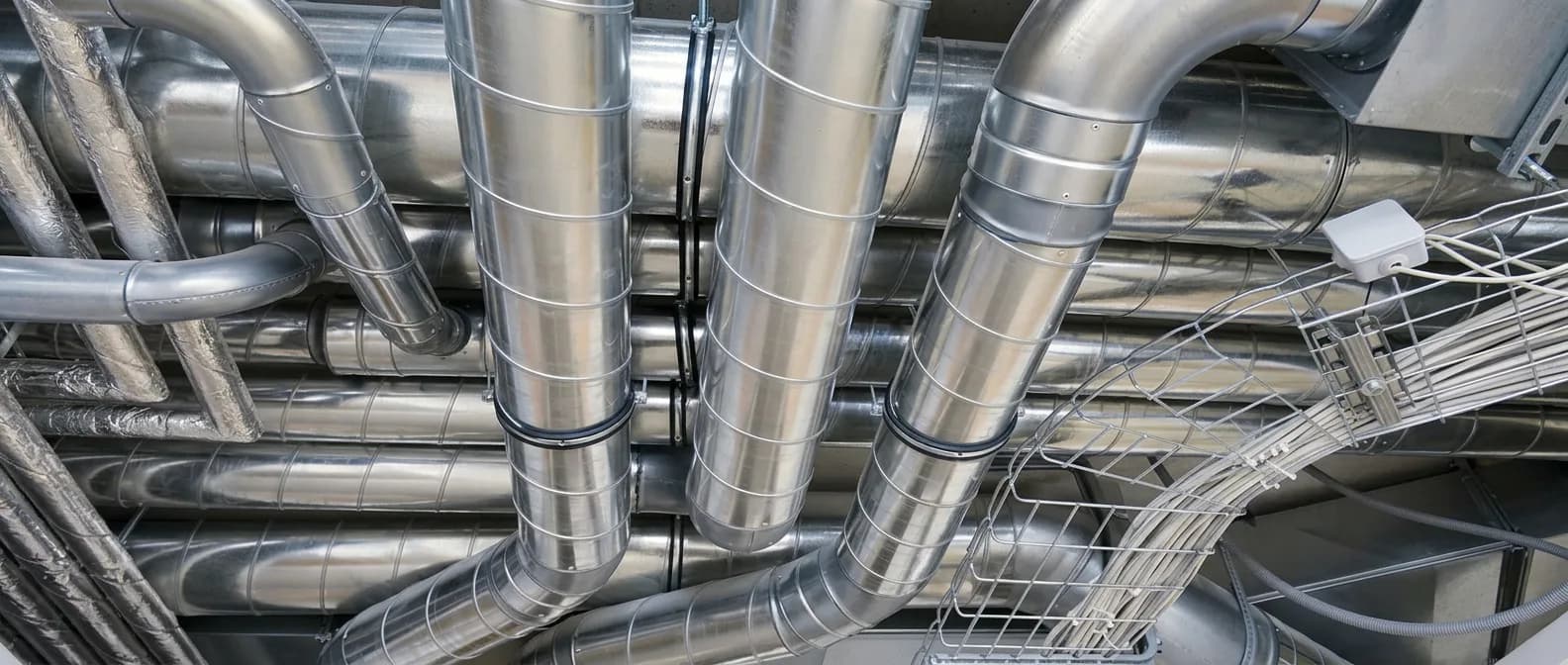
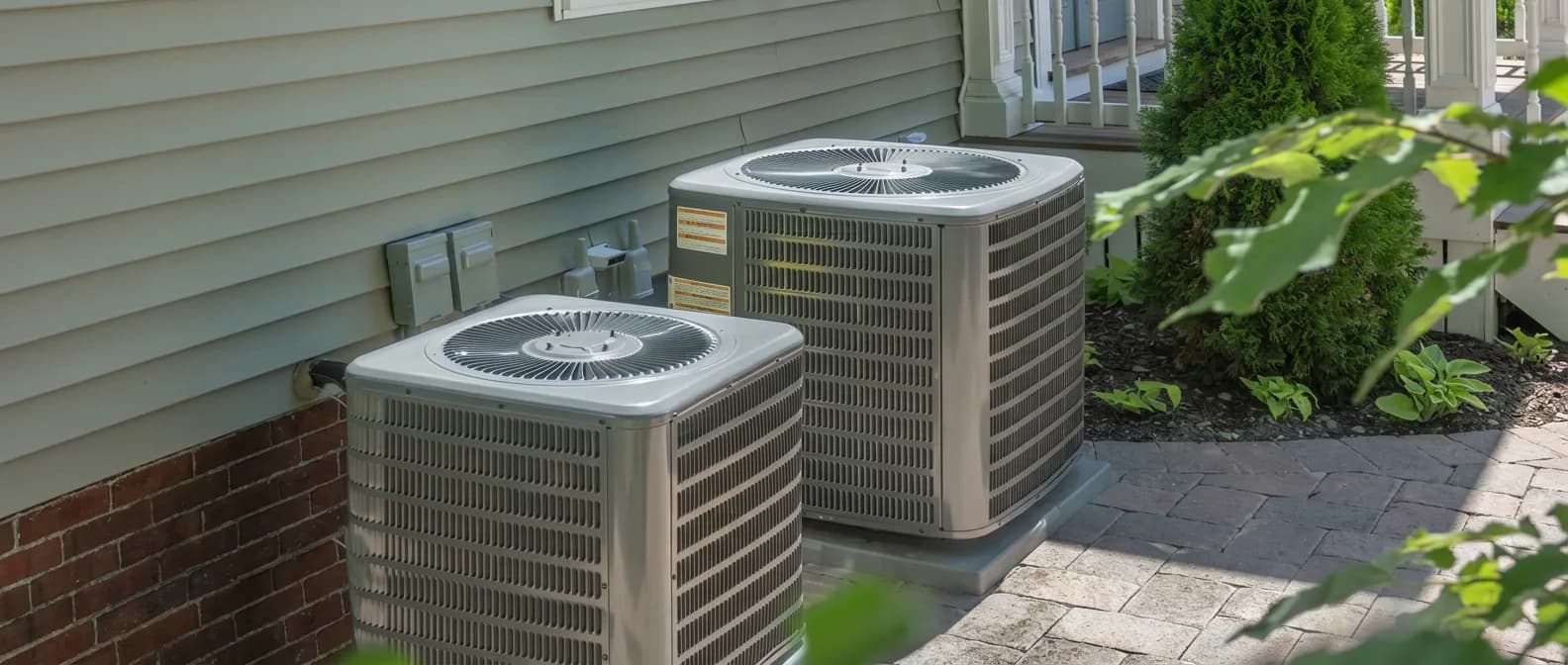
A central air system uses an outdoor condenser, an indoor evaporator coil (usually mounted on the furnace or air handler), and ductwork to distribute cooled air to every room. The thermostat controls the whole house as one zone. It's the standard in single-family homes and many newer multi-family buildings.
How Mini-Splits Work
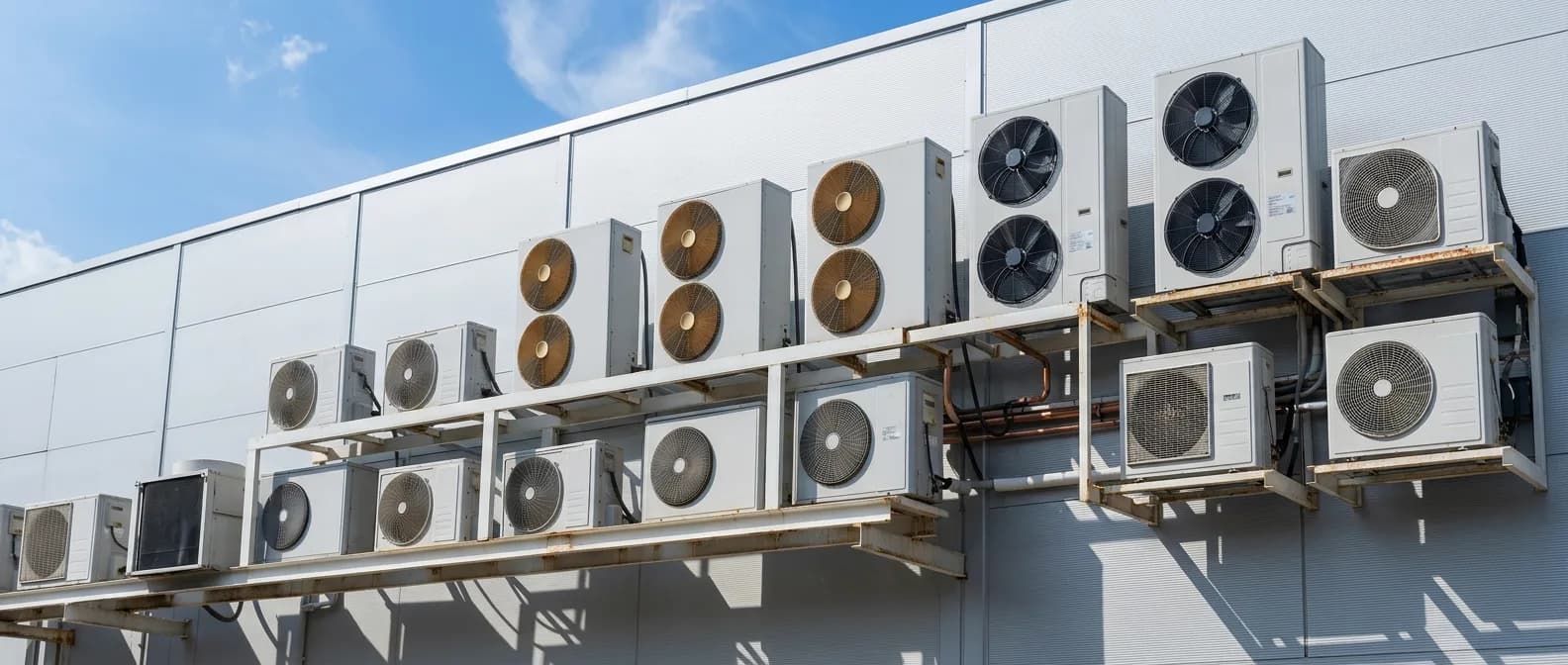
A ductless mini-split uses the same refrigeration cycle — outdoor condenser, indoor evaporator — but skips the ductwork entirely. Each indoor unit (called a head) is mounted on a wall or ceiling in the room it serves, connected to the outdoor unit by a small refrigerant line through a 3-inch hole in the wall. One outdoor unit can serve multiple indoor heads, each with its own thermostat and temperature setting.
When Central Air Makes Sense
- You already have ductwork in good condition
- You prefer a clean look with no wall-mounted equipment visible
- You're conditioning a whole house uniformly and don't need zone control
- Your building has space for an air handler and duct runs
When Mini-Splits Make Sense
- No existing ductwork — very common in older NYC brownstones, co-ops, and prewar buildings
- You want room-by-room temperature control (zone control)
- Adding ductwork would be prohibitively expensive or impossible due to building constraints
- You're adding AC to a single room, addition, or converted space
- You want to replace window units without the visual impact of through-wall sleeves
In NYC, ductless mini-splits have become extremely popular for prewar apartments and brownstones where ductwork was never part of the original construction. They're also the fastest way to add both heating and cooling — most mini-splits are heat pumps that work year-round.
Efficiency Comparison
Mini-splits are generally more energy-efficient than central systems. Because there are no ducts, there's no duct loss (which can waste 20–30% of energy). Inverter-driven mini-split compressors ramp up and down to match the load rather than cycling on and off, which uses less electricity and maintains more consistent temperatures. SEER2 ratings for quality mini-splits range from 18–42, while central systems typically range from 14–21.
Want to know exactly what system fits your space? A load calculation takes the guesswork out of sizing — and prevents the #1 mistake in HVAC: installing the wrong size. Get in touch
Cost Comparison
For a home without ductwork, mini-splits are almost always cheaper because you avoid the cost of designing and installing an entire duct system. For a home with existing ducts, central air is usually the more economical choice — assuming the ducts are in decent shape. Multi-zone mini-split systems (3–5 indoor heads) can cost as much as a central system, but the energy savings and zone control often justify it over time.
The NYC Factor
Building type matters enormously in this decision. Manhattan co-ops and condos may have board restrictions on exterior equipment, though most allow mini-split condensers on rooftops or in approved locations. Brownstones often have no ductwork and limited space for an air handler, making mini-splits the natural fit. Newer townhouses and single-family homes in the outer boroughs typically have ductwork, making central air straightforward.
NYSERDA rebates currently apply to both heat pump mini-splits and central heat pump systems, which can offset a significant portion of the installation cost. The rebate amounts depend on system efficiency and whether you're replacing fossil fuel equipment.
See how we approach cooling in the neighborhoods where these systems are most common:
Whether it's a mini-split for your brownstone or a central system for your whole home, we'll help you choose the right setup — and handle the permits, installation, and rebate paperwork.
Get a Free Estimate